Helical Gears: The Ultimate Guide to This Cylindrical Gear Powerhouse

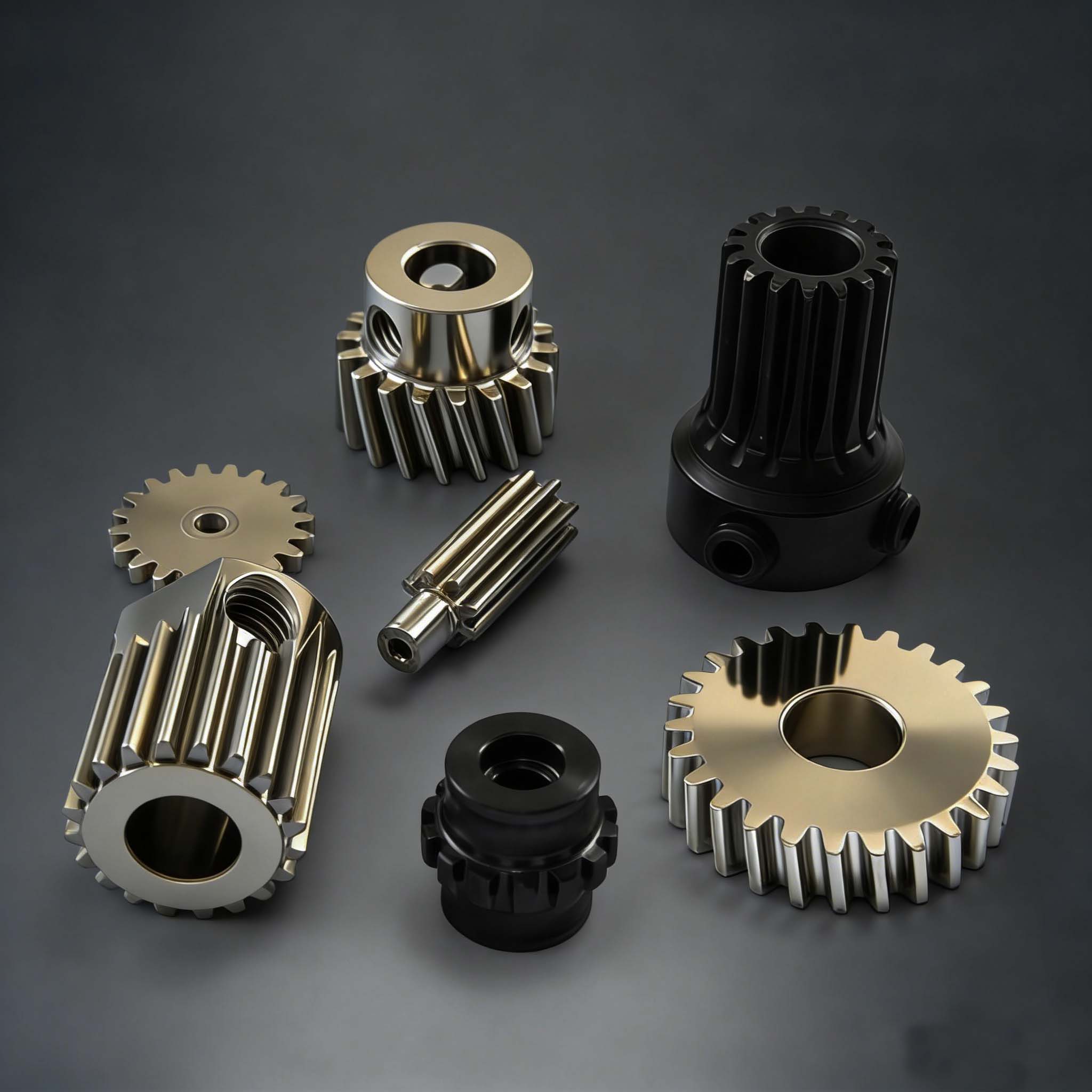
In the world of cylindrical gears, helical gears stand out as a cornerstone of high-performance power transmission. Designed with angled teeth that form a helix around the gear’s circumference, they solve many of the limitations of their straight-toothed counterpart (spur gears) and excel in high-speed, heavy-duty applications. Whether you’re an engineer designing a precision machine, a procurement professional sourcing reliable gear solutions, or simply looking to deepen your understanding of cylindrical gear technology, this comprehensive guide covers everything you need to know about helical gears—from their core design to selection, maintenance, and real-world applications.
What Are Helical Gears? A Fundamental Overview
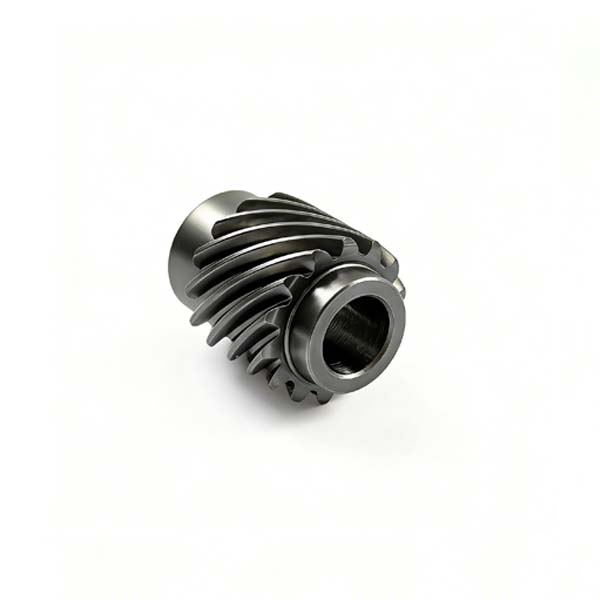
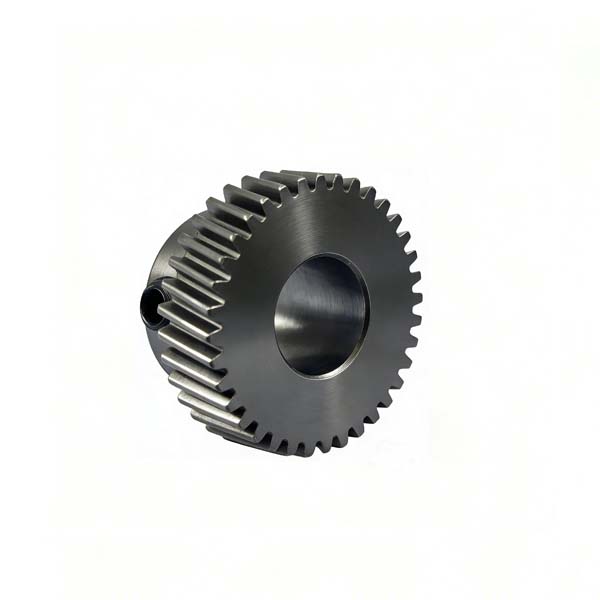
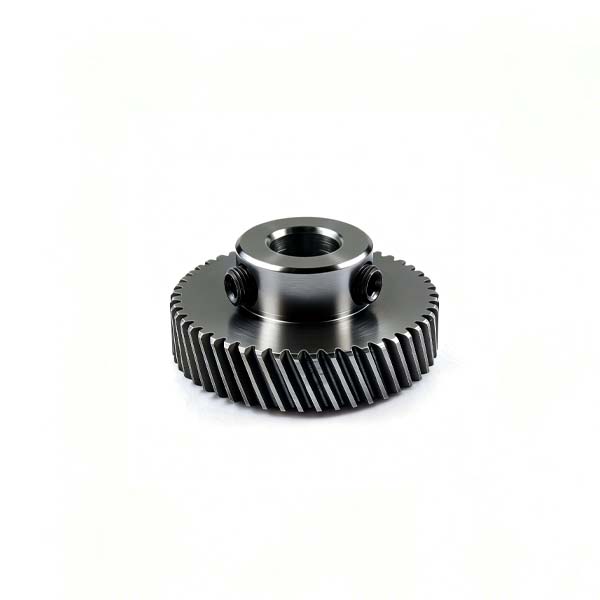
As a key subset of cylindrical gears, helical gears are defined by their unique tooth geometry: unlike spur gears (with straight teeth parallel to the gear axis), helical gear teeth are cut at an angle—known as the helix angle—relative to the shaft. This helix angle (typically ranging from 8° to 25° ) is the defining feature that shapes their performance, enabling gradual tooth engagement and smoother power transfer.
The helical tooth profile creates a larger contact area between meshing gears compared to spur gears, distributing loads more evenly and reducing stress on individual teeth . Additionally, helical gears can transmit power between parallel shafts (the most common application) or even crossed shafts, offering greater design flexibility than many other cylindrical gear types. To counteract the axial thrust generated by the angled teeth, most helical gear systems use thrust bearings—a small trade-off for their superior performance .
Common Applications of Helical Gears
Helical gears’ unique combination of power, smoothness, and durability makes them indispensable across a wide range of industries. Here are their most prevalent use cases:
1. Automotive Industry
The automotive sector is one of the largest users of helical gears. They’re commonly found in transmission systems (manual and automatic), differential assemblies, and engine timing mechanisms . Their quiet operation enhances driving comfort, while their high torque capacity handles the demands of engine power transfer. For example, modern cars use helical gears in gearboxes to reduce road noise and improve fuel efficiency.
2. Industrial Machinery
In industrial settings, helical gears power heavy-duty equipment like crushers, mixers, conveyors, and machine tools . They’re also a staple in gearboxes for industrial motors, where their high load capacity and efficiency ensure reliable performance in 24/7 operations. For instance, a mining conveyor system relies on helical gears to move tons of material smoothly and efficiently.
3. Aerospace and Defense
Aerospace applications demand lightweight, high-precision components—and helical gears deliver. They’re used in helicopter rotor systems, aircraft landing gear mechanisms, and jet engine auxiliary systems . Their compact design and high efficiency make them ideal for weight-sensitive aerospace equipment.
4. Renewable Energy Systems
Wind turbines and solar tracking systems rely on helical gears to convert low-speed rotational energy into high-speed motion for generators . Their durability and efficiency are critical for maximizing energy output and minimizing maintenance downtime in remote, hard-to-access locations.
5. Medical and Precision Equipment
Helical gears are used in medical devices like MRI machines, surgical robots, and dental drills. Their quiet operation and precise motion control are essential for these applications, where vibration and noise could interfere with procedures or patient comfort.
Helical Gears vs. Spur Gears: A Head-to-Head Comparison
As the most common cylindrical gear types, helical and spur gears are often compared. Here’s a clear breakdown of their differences to help you choose the right one :
| Feature | Helical Gears | Spur Gears |
| Tooth Design | Angled (helix shape) relative to the shaft | Straight, parallel to the shaft |
| Tooth Engagement | Gradual, smooth contact | Sudden, impactful contact |
| Noise Level | Low (quiet operation) | High (clicking/vibration) |
| Load Capacity | High (larger contact area) | Moderate (smaller contact area) |
| Axial Thrust | Generates thrust (requires thrust bearings) | Minimal to none |
| Cost & Manufacturing | Higher cost (complex machining) | Lower cost (simple design) |
| Best For | High-speed, heavy-duty, noise-sensitive applications | Low-speed, light-to-moderate load, cost-sensitive applications |
Maintenance Tips to Extend Helical Gear Life
Proper maintenance is critical to maximizing the lifespan of helical gears. Follow these guidelines to avoid costly downtime :
- Prioritize Lubrication: Use the manufacturer-recommended lubricant and check levels regularly. Replace lubricant every 6-12 months (or sooner if contaminated with metal shavings, dirt, or water). For high-speed applications, shorten oil change intervals—heat accelerates oil oxidation.
- Inspect for Wear & Damage: Regularly check teeth for signs of wear (pitting, scuffing, chipping) or fatigue . Use a gear measuring tool to detect misalignment or tooth profile damage early. Replace worn gears immediately to prevent system failure.
- Ensure Proper Alignment: Misalignment increases stress on helical gear teeth and accelerates wear . Check shaft alignment quarterly (or monthly for high-speed systems) and correct any deviations promptly.
- Monitor Temperature: Keep operating temperatures within the manufacturer’s range (typically below 80°C). Clean cooling fins regularly to prevent overheating, which can damage lubricants and gear materials.
- Control Axial Thrust: Check thrust bearing wear regularly—axial play indicates bearing degradation. Replace bearings before they fail to avoid damage to gears or shafts.
Common Helical Gear Failures & How to Avoid Them
Even with proper maintenance, helical gears can fail. Here are the most common issues and their solutions :
- Tooth Pitting & Fatigue: Caused by repeated cyclic loading. Solution: Use fatigue-resistant materials, optimize gear profiles to reduce stress, and avoid overloading.
- Galling & Scuffing: Result from insufficient lubrication. Solution: Choose the right lubricant with anti-galling additives and maintain proper lubrication intervals.
- Tooth Breakage: Caused by overloading or misalignment. Solution: Ensure proper alignment, stay within torque limits, and use gears with adequate safety margins.
- Corrosion: Occurs in harsh environments. Solution: Use corrosion-resistant materials (e.g., stainless steel) or apply protective coatings (e.g.,磷化 treatment ).
Final Thoughts: Are Helical Gears Right for You?
Helical gears are the workhorse of cylindrical gears, offering a perfect balance of smooth operation, high torque capacity, and durability. If your application requires high speed, heavy loads, or quiet performance, helical gears are almost always the better choice over spur gears—even with their slightly higher cost.
When selecting helical gears, focus on matching the helix angle, material, and precision grade to your specific needs. And don’t overlook maintenance: regular lubrication, alignment checks, and wear inspections will keep your helical gears running reliably for years.
Have questions about helical gears or need help selecting the right gear solution for your project? Leave a comment below or contact our team of gear experts. We’re here to help you find the perfect cylindrical gear solution for your application.
Keywords: helical gears, cylindrical gears, power transmission, helical vs spur gears, gear selection, industrial gears, automotive gears, gear maintenance